The effect of YouTube comment-based writing tasks on writing proficiency and writing anxiety among Uzbek EFL learners: a quasi-experimental study
Abstract
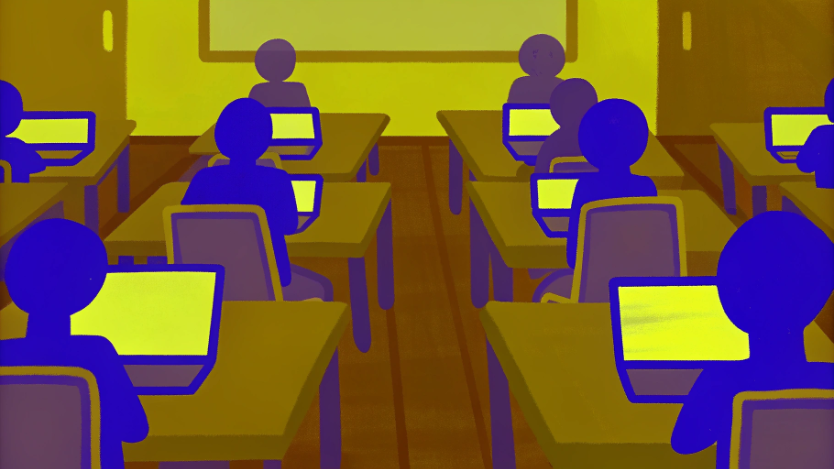
Today, social networks have become an integral part of students’ lives, providing them with opportunities to learn and practice languages. This article discusses the impact of comment writing tasks on the YouTube platform on the English writing skills and pre-writing anxiety of Uzbek high school students learning English as a foreign language. The study was conducted based on a single-group experimental design, in which changes in the written speech skills and psychological state of the participants were studied. During the experiment, the participants watched videos on the YouTube platform and performed tasks related to leaving comments on them. The study involved 60 students in grades 10-11, and the Second Language Writing Anxiety Inventory (SLWAI) questionnaire developed by Cheng (2004) was used. The results show that after the experiment, the participants’ written speech significantly improved and the level of anxiety during the writing process decreased. The study findings confirm that writing assignments based on YouTube comments not only develop linguistic competence in EFL students, but also serve to overcome psychological barriers to the writing process.
Keywords:
YouTube comments EFL writing proficiency writing anxiety social media in education Uzbek EFL learners quasi-experimental research technology-enhanced language learning authentic writing tasksReferences
Ammari, W. S. (2022). Investigating the impact of social media (platforms) on EFL learners’ academic writing skill at the tertiary level: The case of Master one students at the department of English in the University of Biskra [Master’s thesis, Mohamed Khider University of Biskra].
Anjarwati, N., & Akhiriyah, S. (2025). The effectiveness of using social media videos to improve students’ performance in writing procedure text. Universitas Negeri Surabaya.
Fahad, G. M. S. I. (2025). Impact of social media on students’ performance in academic writing. University of Dhaka.
https://docs.google.com/forms/d/15s9t-VycSRG9rzOlqn8rMTubZ4wTRq7GrybMKxruI9c/edit#responses
https://docs.google.com/forms/d/1cCxXCscX_lRhBw0pAvNo9mb7JKcSc1uLaU1Gl9o2qTs/edit#responses
Nor, N. H. M., & Senom, F. (2024). Second language writing anxiety: A comprehensive structured review. International Journal of Modern Education, 6(22), 700-720. https://doi.org/10.35631/IJMOE.622047
Nur, A. W., & Ramadhani, L. F. (2025). The use of digital learning media in EFL classroom for writing skills. JEELL: Journal of English Education, Linguistics and Literature, 12(2), 92-110. https://doi.org/10.32682/jeell.v12i2.60
Rezk, A. A. E., Qoura, A. A., & Abd Elmonim, A. (2024). Using social media activities to enhance EFL writing skills of university students. Mansaoua University, Faculty of Education.
Published
Downloads
How to Cite
Issue
Section
License
Copyright (c) 2026 Sadoqatxon Valijon qizi Usubjonova, Dildora Fayzulla qizi Gaybullayeva

This work is licensed under a Creative Commons Attribution 4.0 International License.


 Republic of Uzbekistan, Tashkent city,
  +998 93 097 75 88