Linguocultural peculiarities of paralinguistic elements in English and Uzbek languages
Abstract
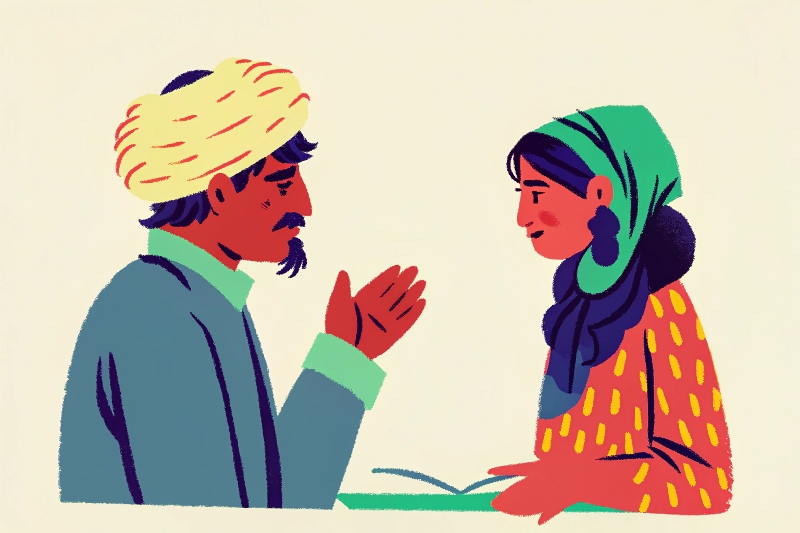
This article investigates the linguocultural characteristics of paralinguistic elements in ceremonial contexts in English and Uzbek languages. It emphasizes non-verbal means of communication such as gestures, facial expressions, posture, and symbolic movements, which accompany and enhance spoken language during formal events. These elements serve as cultural markers that express respect, social roles, emotions, and ritual intentions. The study is based on comparative analysis of various ceremonies including weddings, official receptions, and religious events. It identifies both common and contrasting uses of paralinguistic elements in the two linguistic-cultural contexts. Attention is given to the cultural interpretations and communicative roles of these non-verbal signals, demonstrating how they align with verbal discourse to construct meaning. The findings highlight the importance of understanding paralinguistic features for accurate cross-cultural communication and translation. The study contributes to research in intercultural pragmatics, linguistics, and non-verbal communication by revealing the deep connection between culture, language, and ceremonial practice.
Keywords:
paralinguistics non-verbal communication linguoculturology wedding ceremonies funeral rituals kinesics cross-cultural communicationIntroduction
Human interaction relies not only on what is said but also on how it is expressed. In every culture, communication extends beyond spoken words, involving a rich tapestry of non-verbal signals that help convey intention, emotion, and meaning. These non-verbal aspects – such as gesture, facial expression, tone of voice, and body posture – are categorized under paralinguistics, a field that bridges language with cultural behavior.
Paralinguistic elements do not function in isolation; they are shaped by the social and cultural environments in which communication occurs. What might be considered polite, respectful, or expressive in one culture could be interpreted differently in another. As such, exploring paralinguistic features within specific cultural frameworks provides valuable insights into national worldviews and communication norms.
From a linguocultural perspective, studying paralinguistic elements is important not just for linguistics, but for social and cultural studies as well. A comparative analysis of Uzbek and English through this lens offers insights into how communication styles, social customs, and cultural codes are shaped.
Historical development of paralinguistics
Paralinguistics is a new discipline in linguistics and emerged as a scientific direction in the 1950s. However, it should be noted that gestures and body movements (i.e., nonverbal means of communication) appeared millions of years ago, when oral speech had not yet developed, and people used body movements and gestures to communicate with each other.
Term paralinguistics comes from the Greek word para, meaning "beside" or "alongside," indicating that it functions alongside language. E. Vereshchagin (1983) categorized paralinguistic means based on their informativeness:
- Accompany speech, but do not have any communicative significance;
- Substitute speech and convey information.
Paralinguistic units have been theoretically studied by many scientists. Trager (1958) was the first to define paralanguage as an independent branch of linguistics, focusing on features such as pitch, pauses, and tone. Many scholars have explored paralinguistic units from a theoretical standpoint. Birdwhistell (1970) proposed that gestures and body movements follow language-like patterns and introduced the theory of kinesics. Hall (1970) demonstrated that proxemics – the way people manage personal space – is culturally dependent. These foundational studies have clarified the functions and significance of paralinguistic tools across different societies.
Comparative analysis of paralinguistic units at ceremonies in both languages
Ceremonies play an important role in the cultural and social life of humanity. In particular, wedding and funeral ceremonies are events that reflect a specific spirit and social ties, preserve values in society and pass them on to future generations. Analyzing linguocultural aspects of paralinguistic units in wedding and funeral ceremonies in English and Uzbek allows to study the differences and similarities in both cultures.
Weddings vary across different cultures, filled with rituals and traditions, but they serve the common purpose of uniting individuals and families. While examining the structure of English and Uzbek wedding ceremonies, it becomes evident that each component of these celebrations embodies the unique social and cultural heritage of nations. The significance of paralinguistic units in weddings are especially well-reflected in both English and Uzbek literary works – most notably within folk tales, epic narratives, lyrical poetry, and dramatic works. In these works, various elements of speech – intonation, tone, rhythm, and physical expressions – convey the characters’ inner experiences and express the social and emotional atmosphere of the wedding ceremonies. By comparing the paralinguistic features used in the wedding traditions of these two cultures, we can identify both their similarities and differences in meaning and significance.
Gestures serve an important function as paralinguistic elements in wedding rituals, conveying cultural values that extend beyond spoken language. In traditional Uzbek weddings, gestures are generally formal and symbolic, embodying respect and modesty. For example, when coming into new house, the bride may demonstrate her respect by placing her hand over her heart or slightly bowing. Such gestures represent the significance of hierarchy and age, modesty and obedience. The bright example of this can be “Kelin salom”(Bride’s Greeting) which means the acceptance of bride in new family. In this event, the bride greets everyone by bowing and the groom’s parents, relatives, and friends gather in the yard to present gifts to the bride and offer their blessings.
In contrast, English-speaking wedding ceremonies emphasize more expressive and inclusive gestures. Common gestures include holding hands during vows, exchanging with the rings, each of which communicates unity, affection, and celebration. These gestures, while also traditional, are more emotionally open and focus on personal expression. For example: Father Compton smiles at us and says,“.. .What God has joined, men must not divide. Henry slides the thin silver ring over my finger into place above the engagement ring. I place his plain gold band on his finger. Father Compton blesses us, and says, “The Mass is ended, go in peace.” We walk down the aisle, arm in arm, together. (Audrey Niffenger, 2003,p-132)
We can figure out from the passage that ring exchangement universally recognized ritual within Western marriage ceremonies. This gesture reinforces the verbal promise, symbolizing eternity, unity, and the binding nature of the commitment. The kinesthetic expression of holding hands means unity, partnership, and public affirmation of marital status and the successful completion of the ritual.This contrast in gesture usage highlights the underlying cultural differences: Uzbek gestures reflect a collectivist and respectful orientation, while English gestures emphasize individualism and emotional openness.
In funeral settings, paralinguistic units play a crucial role in expressing grief, offering condolences, and showing respect for the deceased. The tone of voice, body gestures, and silence serve as means of communication when words fail to fully express emotions. Since funerals are highly ritualized events, the paralinguistic behaviors associated with them are often dictated by tradition, religion, and societal values. Paralinguistic elements can be categorized into several key groups, each contributing to the overall communication process: vocal elements, such as, pitch and tone, poses and silence, crying and sobbing; kinesic and proxemic elements. The way people modulate their voice, express emotions through body language, and interact through touch or gestures conveys their feelings of sorrow, solidarity, and respect. In English culture, grief is displayed through silent weeping and composed behavior. “They did not speak. They looked at each other in the small light cast from the lamp left on across the room. My mother began to cry, and my father held her, wiped her tears with the pad of his thumbs as they crested her cheekbones, and kissed her very gently on the eyes”.(Alice Sebold, 2002, p21)
Through analysis of this excerpt we can break down paralinguistic units into several groups. For example:
- The opening line emphasizes that the characters did not speak, creating a powerful atmosphere of unspoken communication. This silence can often convey more emotion than words, indicating a deep understanding or shared grief between the characters.
- Eye contact: The act of looking at one another suggests a deep emotional connection. Their gaze likely conveys empathy, understanding, and shared sorrow.
- Haptics: The father’s actions – holding, wiping tears, and kissing – are all non-verbal gestures that communicate love, support, and tenderness. This physical connection becomes a key component of the emotional interaction between the parents.
- Crying: The mother’s tears are a powerful expression of her emotional state. Crying can signify vulnerability, grief, or release, allowing for a raw and honest display of feelings.
This excerpt poignantly illustrates the interplay of verbal and non-verbal communication in expressing deep emotional experiences. The use of silence, physical touch, and intimate actions serves to create a poignant, powerful moment of shared grief and support between the characters. Through these paralinguistic features, the reader can sense the profound emotional weight of the scene, capturing the complexity and depth of human relationships in times of sorrow.
In contrast, in Uzbek culture loud wailing and open expressions of sorrow are considered appropriate. Vocalic units such as yigʻlash (crying) and nola qilish (lamenting) are not only expressions of personal grief but are also expected forms of public mourning. Their intensity varies based on the mourner’s relationship with the deceased, which aligns with the sociocultural significance of emotional display as a marker of social ties. “Boshlariga tushgan og‘ir musibatdan ikkalasi bir lahza quchoqlashib yig‘i-sig‘i qilib olishdi. Edigey keyinchalik nega bunday qilganligiga ajablandi. Sobitjonni ko‘ksiga bosib quchoqlagancha, hiqillab yig‘lab yubordi”. (Chingiz Aytmatov, 2018,p 33)
- Hugging: The act of one character (“ikkalasi bir hahza quchoqlashib”) embracing the other suggests a deep emotional bond. This physical contact serves as a primary form of comfort and indicates a shared understanding of their pain. In many cultures, a hug can symbolize solidarity and support during difficult times, making it a significant action in this context.
- Crying: The description of one character sobbing (“hiqillab yig‘lab yubordi”) conveys raw emotion and vulnerability. This act of crying is a powerful form of expressing sorrow and can be interpreted as a cathartic release, allowing the character to process their grief in a significant moment. The phrase “yig‘i-sig‘i qilib olishdi” reflects how their emotional release is not only personal but communal, allowing space for collective mourning.
- Surprise and Reflection: The mention of Edigey being surprised (“ajablandi”) by this emotional display indicates a lack of expectation regarding this type of reaction.
This excerpt effectively utilizes paralinguistic elements to underscore the emotional complexity of grief. Through non-verbal actions, shared moments of vulnerability, and the characters’ cultural context, Aytmatov illuminates the deep human connections, unity that arise during times of hardship. By highlighting that the two characters found solace in each other’s presence, the text underscores the importance of community and connection during times of sorrow shows collective identity.
Methods
This study employs a comparative analysis of paralinguistic elements in wedding and funeral ceremonies within English and Uzbek cultures. The research methodology combines qualitative and descriptive analytical approaches to explore how non-verbal communication shapes the meaning and emotional resonance of ceremonial activities. This research utilizes a combination of literary analysis and field observations. Textual data were gathered from English and Uzbek literary works, including narratives, poetry that depict wedding and funeral ceremonies and scholarly works on paralinguistics and cultural anthropology. A discourse-analytical approach was employed to identify and interpret paralinguistic units – such as pitch, intonation, gestures, body movements, and silence – in both spoken and written ceremonial settings. Cross-cultural analysis is applied to examine and compare the paralinguistic elements present in English and Uzbek wedding and funeral ceremonies to identify distinct features and underlying cultural meanings, providing a comprehensive understanding of how these elements express emotions and cultural values in different contexts. Comparative analysis was conducted to examine how these elements are culturally shaped and socially contextualized, with particular attention to the societal norms, religious beliefs, and cultural traditions specific to both the English and Uzbek cultures, assessing how these factors influence the use and significance of paralinguistic features during pivotal life events.
Results and discussions
The analysis revealed both similarities and distinct cultural features in the use of paralinguistic elements within English and Uzbek ceremonial traditions. In Uzbek weddings, paralinguistic behavior is marked by formality, symbolism, and deference, as seen in rituals such as Kelin salom, where the bride bows and these gestures emphasize respect, modesty, and collectivism. Conversely, English weddings involve expressive and emotionally open gestures, such as ring exchanges, holding hands, and smiling, symbolizing individual commitment and emotional intimacy. These behaviors support the individualistic orientation of Western societies. In funeral settings, emotional expression is more openly displayed, with crying and haptics such as hugging being culturally accepted and expected. This openness to emotional expression underscores the importance of collective mourning and the solidarity of the community. Both literary and ethnographic sources from the English and Uzbek cultures indicate that paralinguistic units play a significant role in shaping emotional atmosphere, reinforcing social bonds, and expressing cultural identity.
Understanding these distinctions is crucial for successful communication among individuals from diverse cultural backgrounds. Misinterpretations may occur when people from cultures that have contrasting perspectives on emotional expression engage with one another. Recognizing these cultural differences can enhance communication in multiple environments, including diplomatic and multicultural situations, by fostering awareness and respect for others’ cultural practices.
Further implications
This research underlines the necessity for intercultural communication awareness, as different paralinguistic practices can lead to misunderstandings in cross-cultural interactions. Further studies could explore additional contexts and diverse cultural settings to illuminate the complexity of paralinguistic elements in human communication.
Conclusion
While both Uzbek and English cultures use non-verbal cues to convey emotion, intent, and respect, the form, intensity, and context of these cues differ based on cultural expectations and social norms.
The study contributes to the understanding of linguocultural dynamics by highlighting how non-verbal communication mirrors broader cultural ideologies – collectivism and formality in Uzbek society versus individualism and expressiveness in English culture. Recognizing these differences is essential not only for linguistic and cultural research but also for fostering cross-cultural competence in a globalized world.
References
Aytmatov, Ch. (2018). Asrga tatigulik kun. (p 33). Yoshlar nashriyot uyi. [In Uzbek].
Birdwhistell, R. L. (1970). Kinesics and context: Essays on body motion communication. University of Pennsylvania Press.
Hall, E. T. (1966). The hidden dimension. Anchor Books.
Niffenger, A. (2003). The time traveller’s wife. MacAdam/Cage. (p 132)
Trager, G. L. (1958). Paralanguage: A first approximation. Studies in Linguistics, 13(1), 1-12.
Sebold, A. (2002). The lovely bones. (p 21). Little, Brown and Company
Vereshchagin, E. M., & Kostomarov, V. G. (1983). Language and culture: The linguocultural concept. Moscow: Russian Language Institute.
Published
Downloads
How to Cite
Issue
Section
License
Copyright (c) 2025 Навруза Koдирова

This work is licensed under a Creative Commons Attribution 4.0 International License.


 Republic of Uzbekistan, Tashkent city,
  +998 93 097 75 88